
Latest
half marathonracestravel
Best Half Marathons in the US: 15 Races Every Woman Should Run
Scenic courses, supportive crowds, and women-friendly vibes. These are the half marathons worth traveling for.
5 min read
Running tips, training plans, and honest advice for women who run.
Scenic courses, supportive crowds, and women-friendly vibes. These are the half marathons worth traveling for.
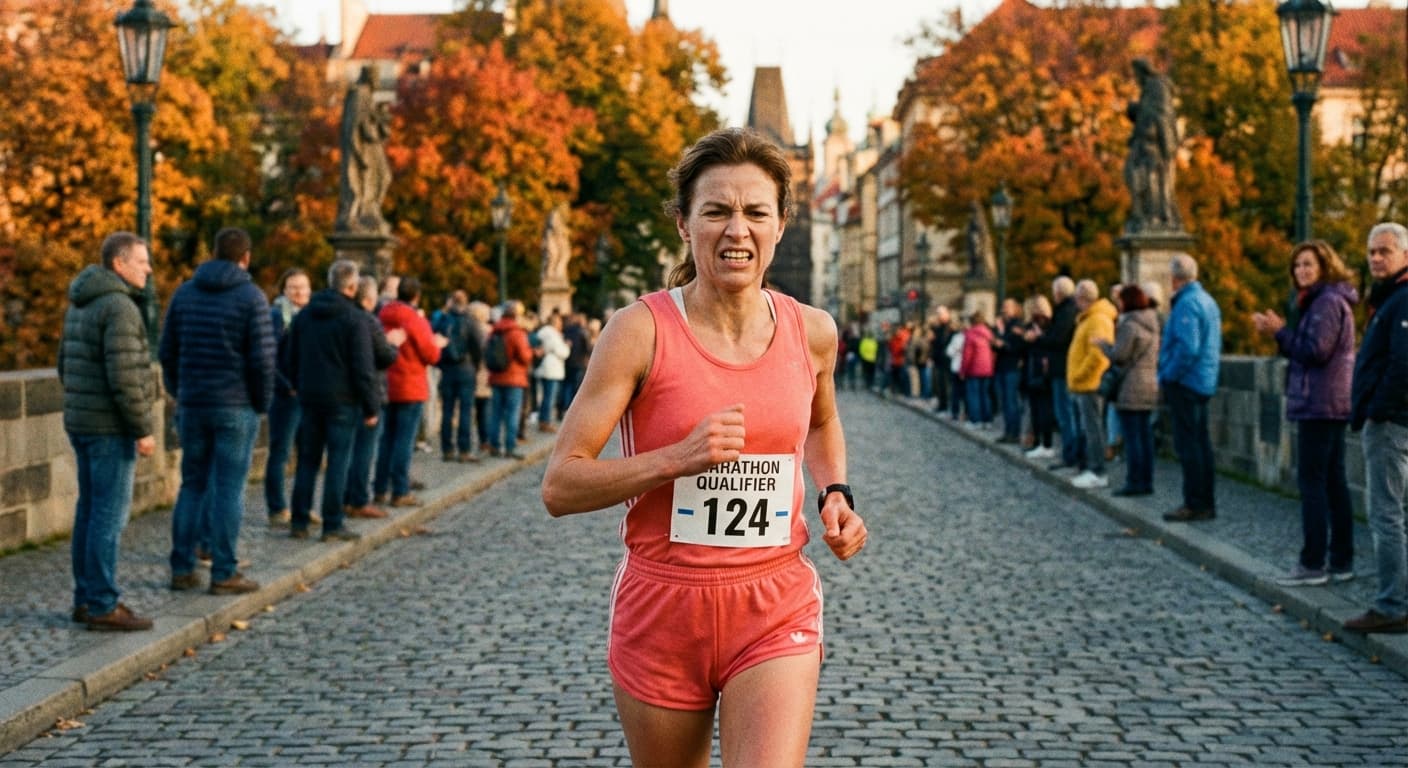
The official Boston qualifying times, what the cutoff really means, and how to actually get in.
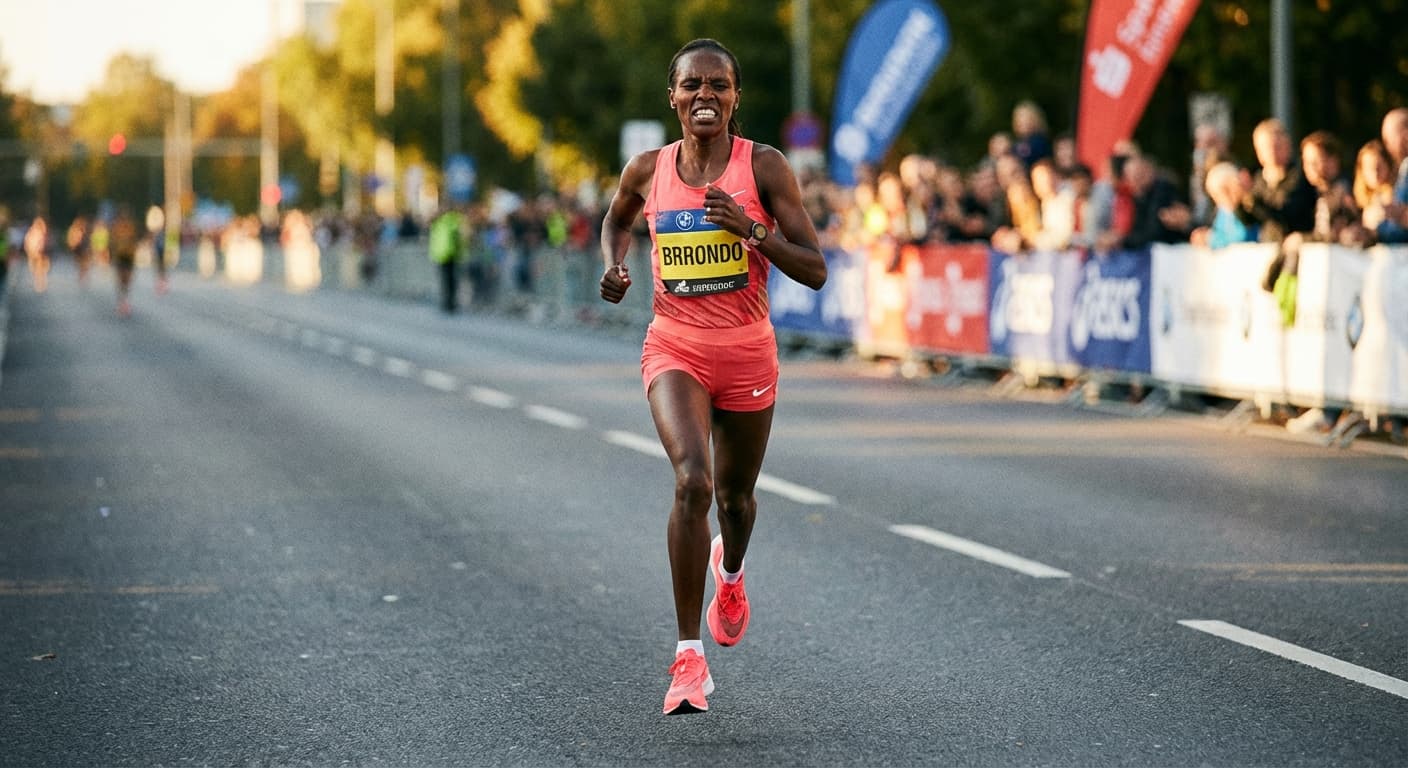
From Kelvin Kiptum's 2:00:35 to Ruth Chepngetich's 2:09:56, here are the fastest marathon times in history.
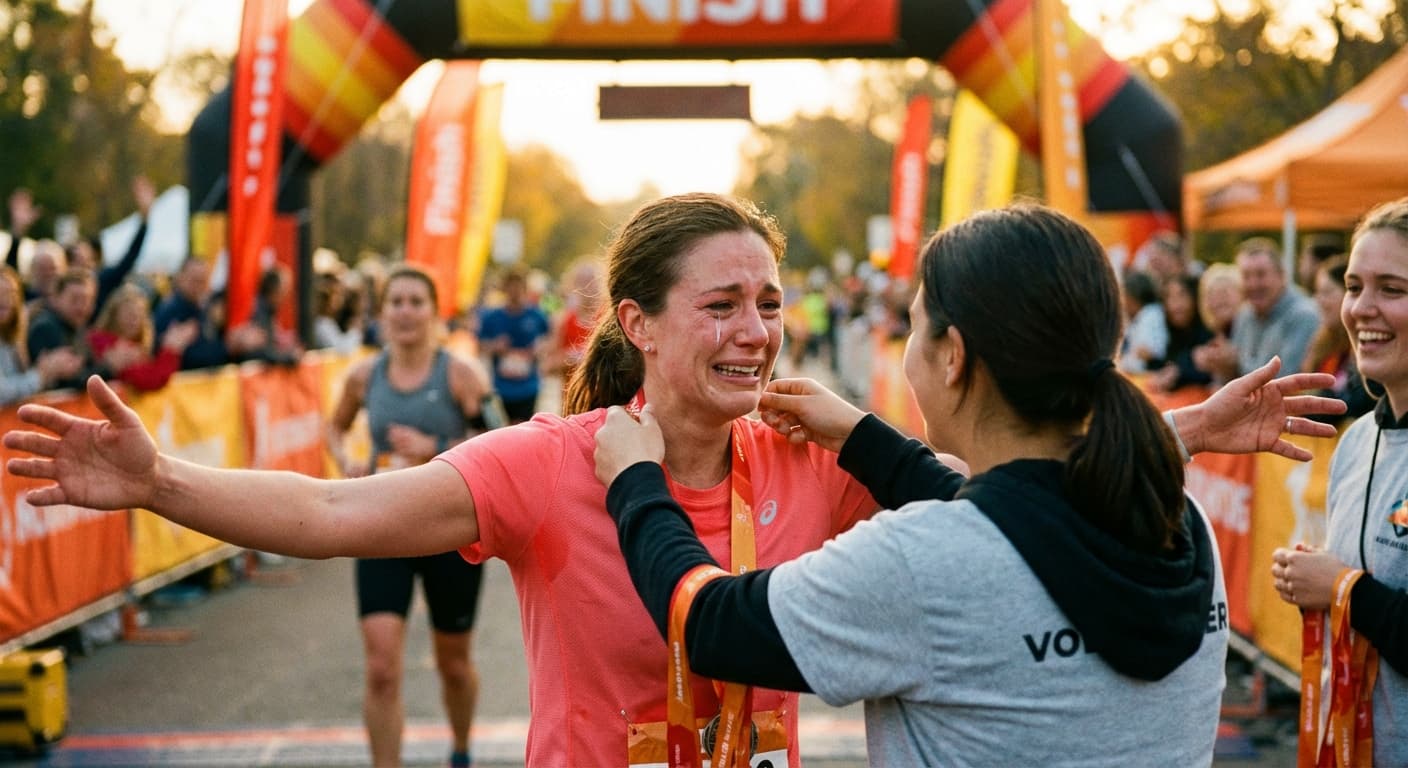
The average marathon finish time for women is about 4 hours and 35 minutes. Here's what that means by age group and how to set a realistic goal.
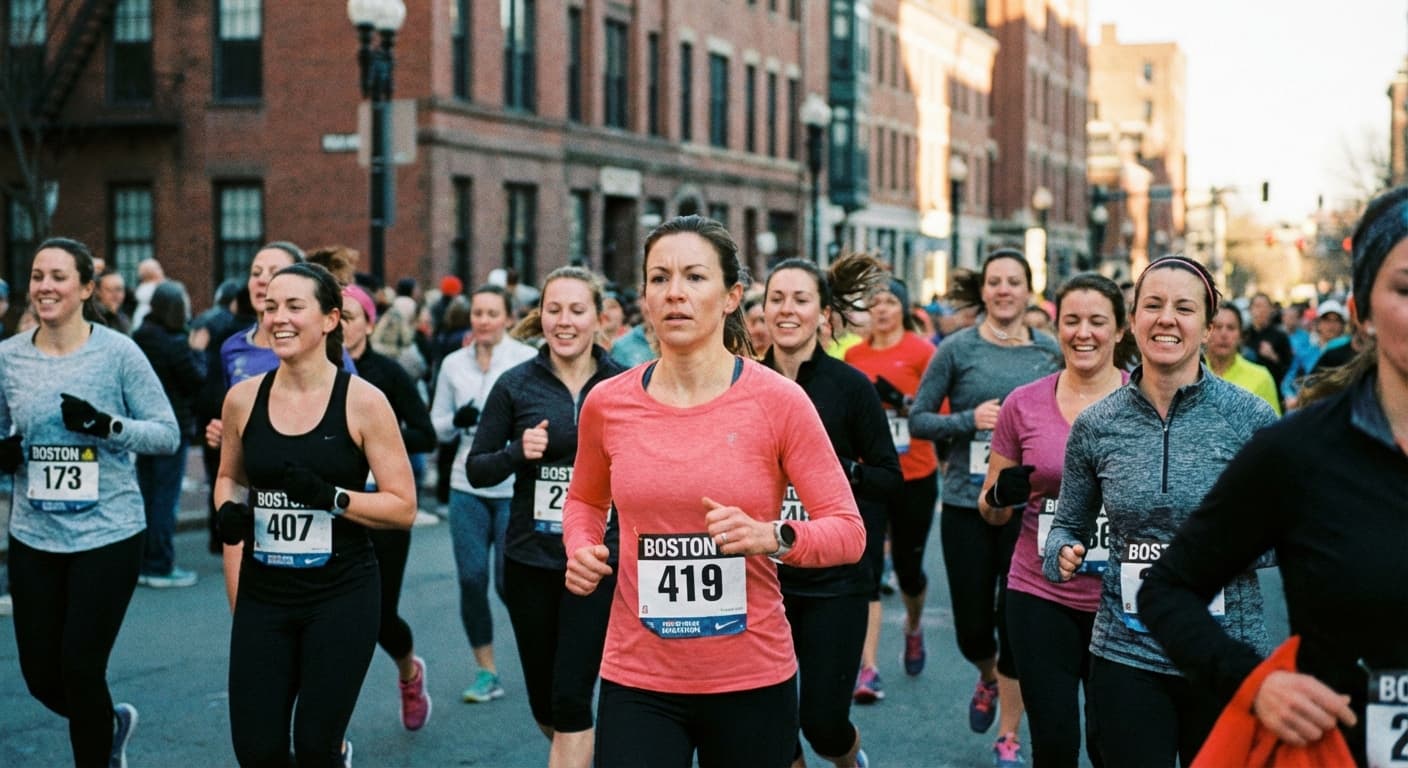
The average half marathon finish time for women is about 2 hours and 16 minutes. Here's where you'd land by age group.
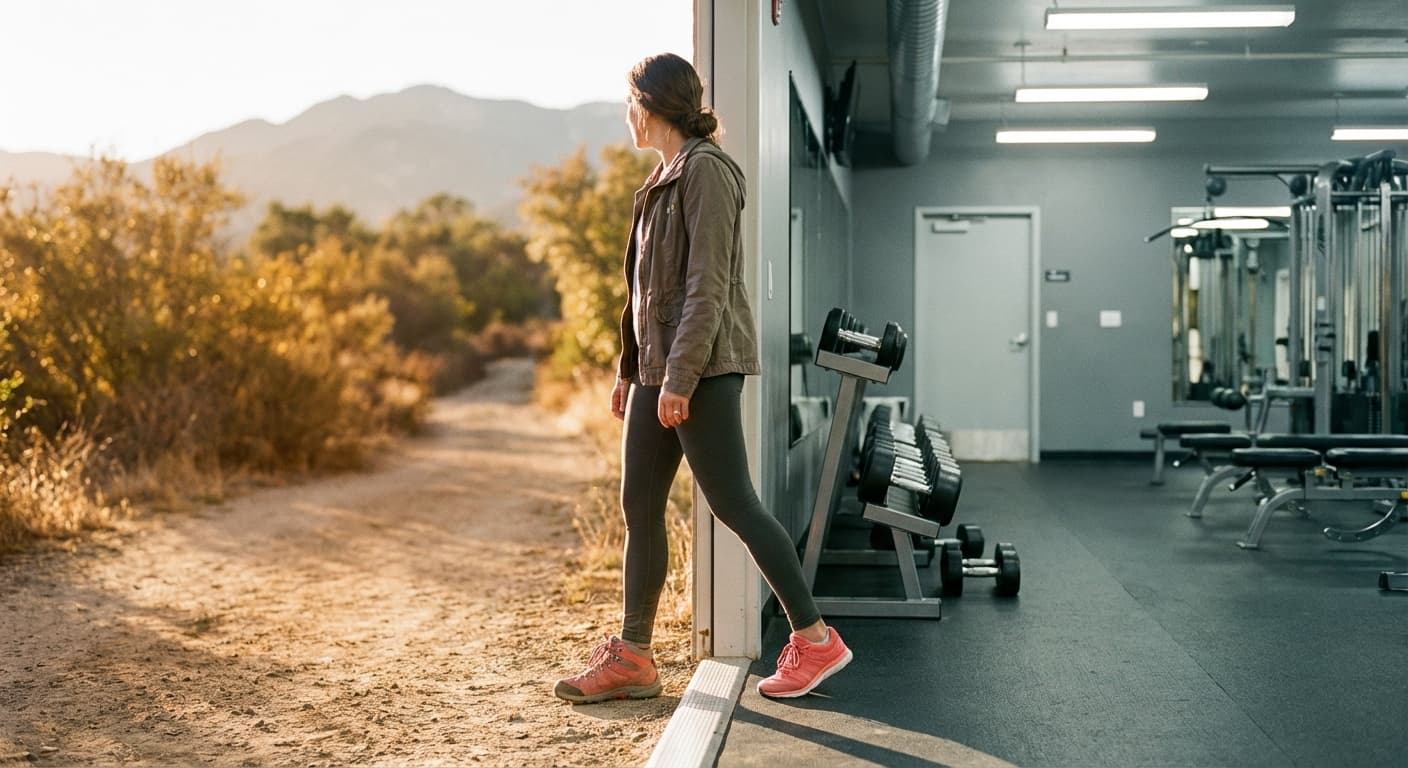
One is free and burns more calories. The other builds muscle and shape. The real answer: you probably need both.
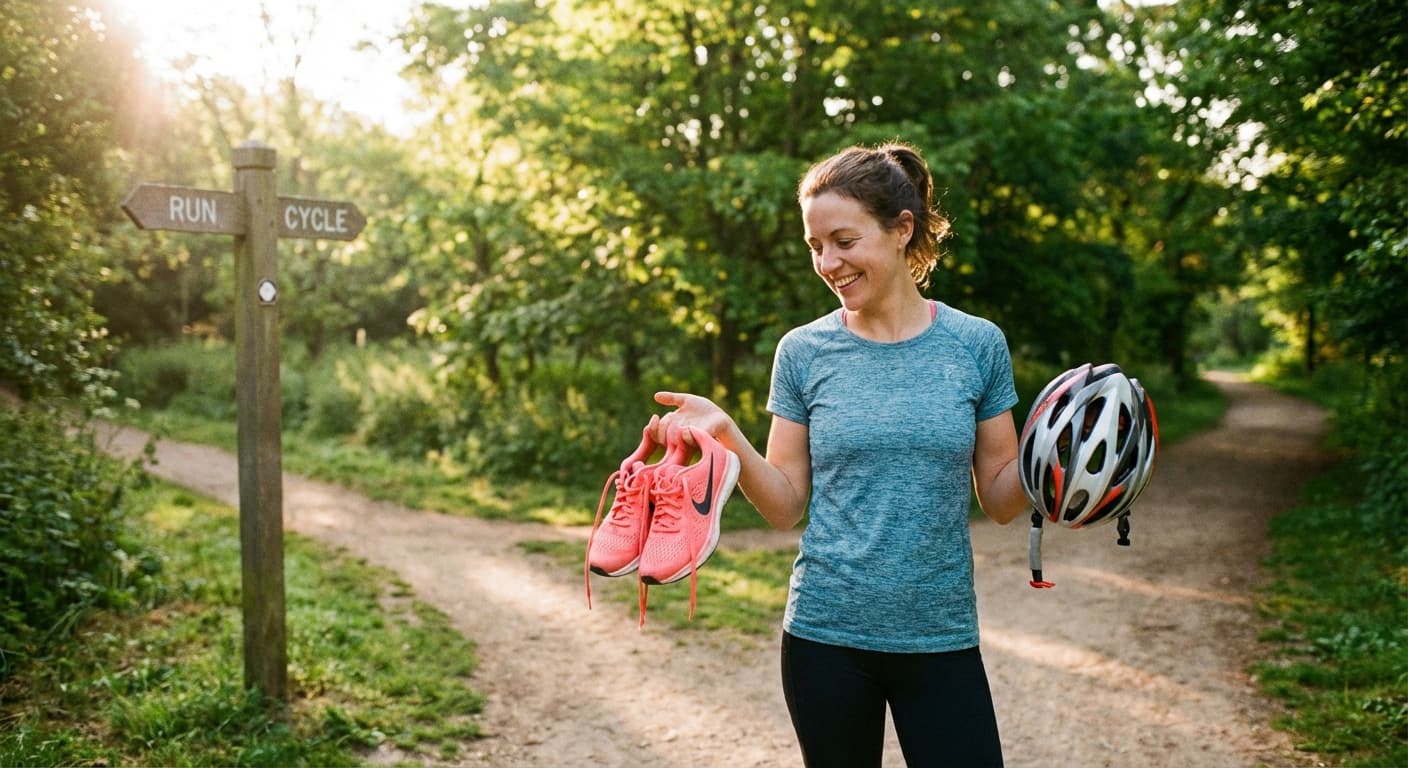
Both are great cardio. But one burns more calories per minute and the other is easier on your joints. Here's the full comparison.

Morning runners say it changes your whole day. Evening runners say their body performs better. Who's right? Both.

Both have their place. Here's an honest comparison so you can stop debating and just run.

Summer running doesn't have to be miserable. Here's how to time it right, hydrate smart, and know when to take the day off.
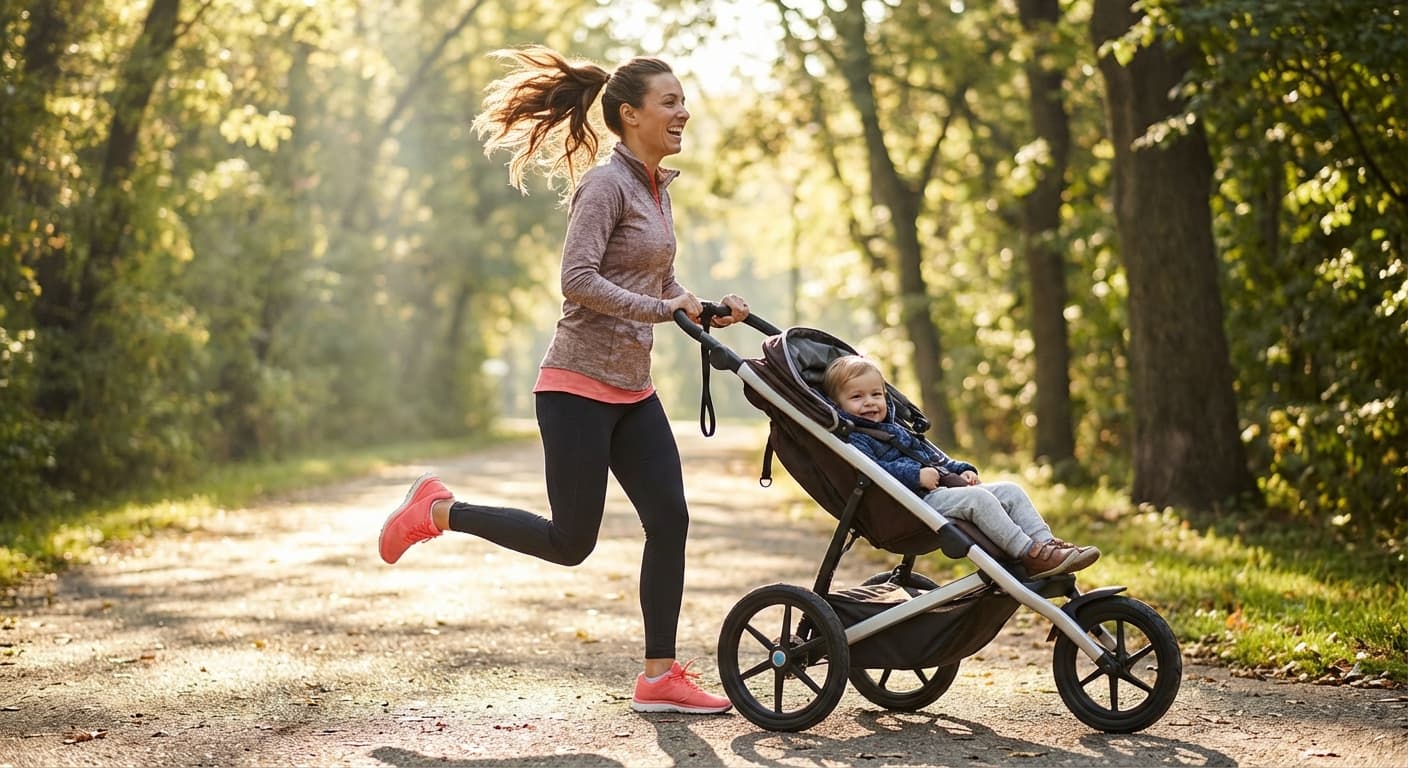
You can run with your baby. Here's how to do it safely, which strollers actually work, and when to start.

Your 50s are not the finish line. For many women, they're when running becomes the most meaningful part of their day.

Your 40s aren't a slowdown. For many women, they're when running finally clicks. Here's how to train smart for this chapter.

Leaking when you run isn't normal and it's not something you just have to accept. Here's what's happening and how to fix it.
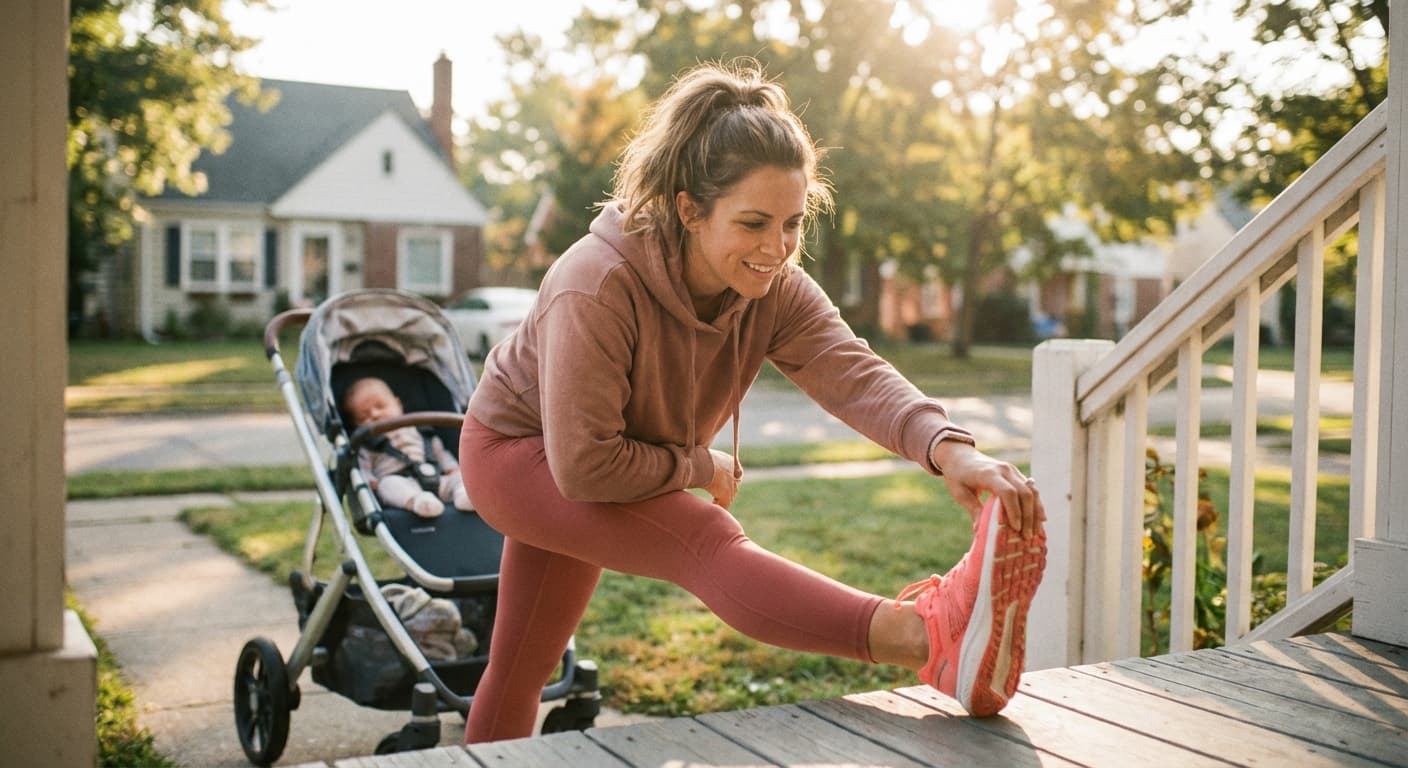
Your body did something incredible. Now here's how to ease back into running without rushing the process.
Cramps, fatigue, bloating. None of it means you have to skip your run. Here's what actually happens and how to make it work.

Your energy, strength, and recovery shift throughout the month. Here's how to train with your cycle instead of fighting it.
Wondering if your 5K time is any good? Here are the real numbers by age group, from beginner to advanced, with zero judgment.
The complete half marathon pace chart from 6:00/mile to 16:00/mile. Find your target pace, splits, and finish time.

A gentle, realistic 8-week plan designed specifically for women. No shame, no pressure, just one step at a time.
You don't need to be fit. You don't need fancy gear. You just need to start. Here's how.
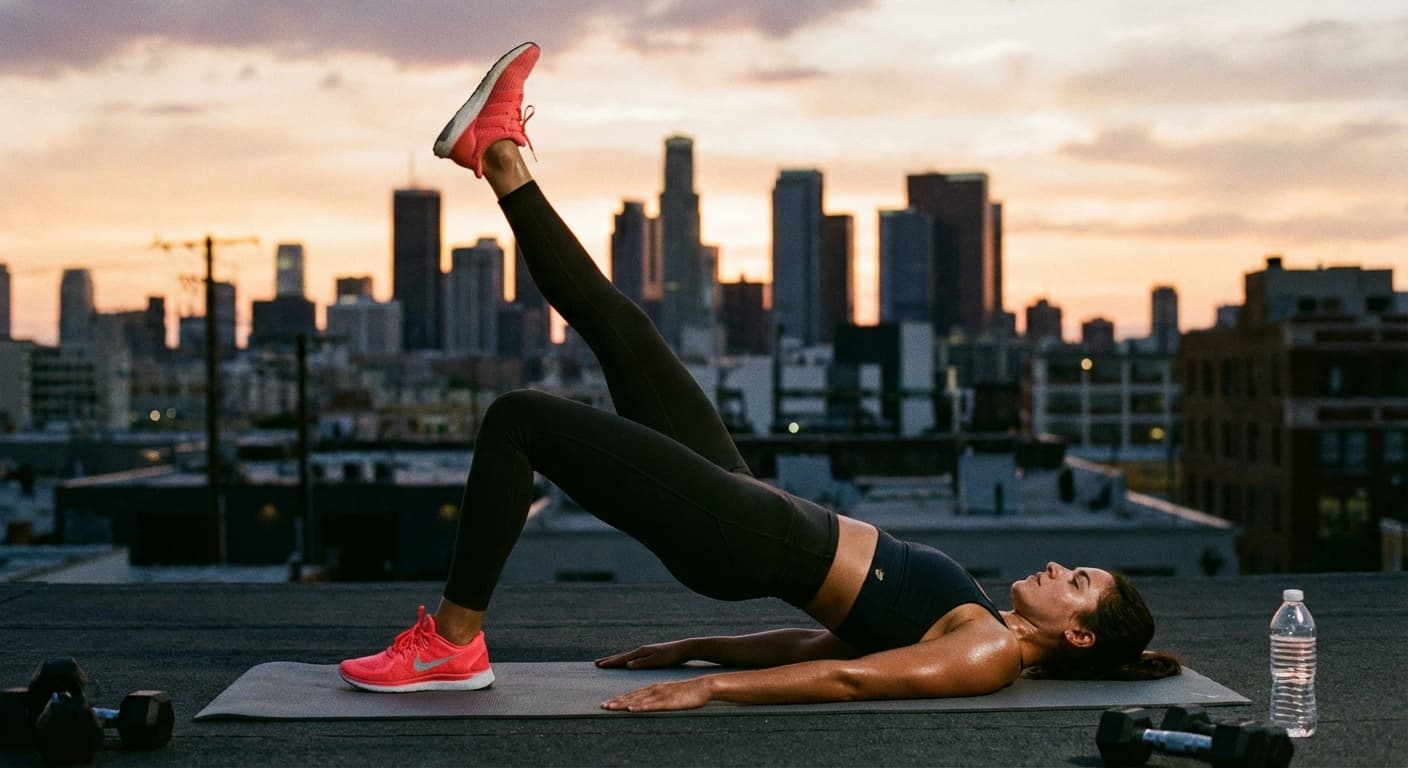
Running makes you a runner. Strength training makes you a better, injury-proof runner. Here's how to do both without overtraining.

Already a walker? You're closer to being a runner than you think. Here's a 6-week bridge plan.

It's not just 'runner's high.' Science shows running rewires your stress response. Here's what happens and how to start.
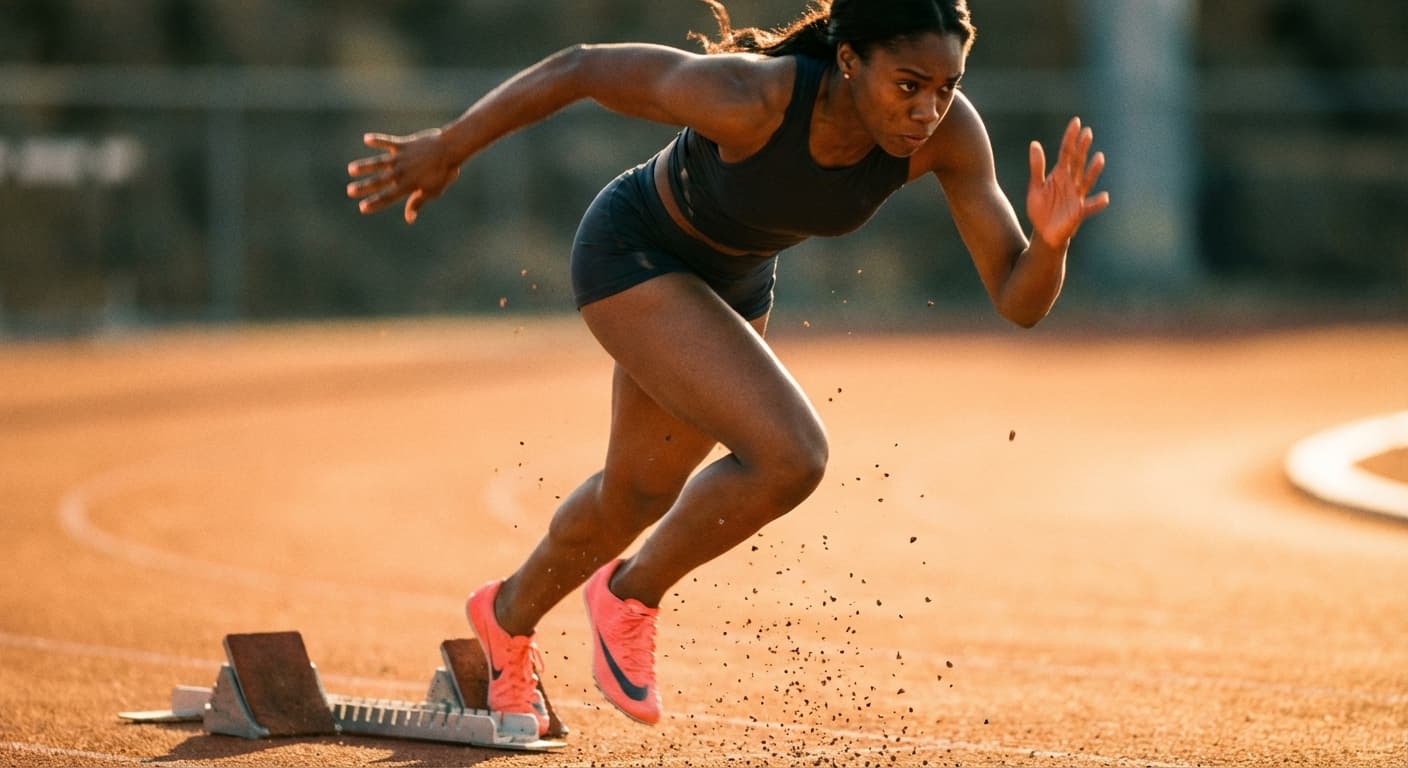
Short on time? HIIT running burns more calories in less time than steady jogging. Here's a 6-week plan you can start this week.

Motivation is overrated. Here's what actually keeps women running week after week.

Both work. One is faster. The other is easier to sustain. Here's the honest comparison so you can choose what's right for you.
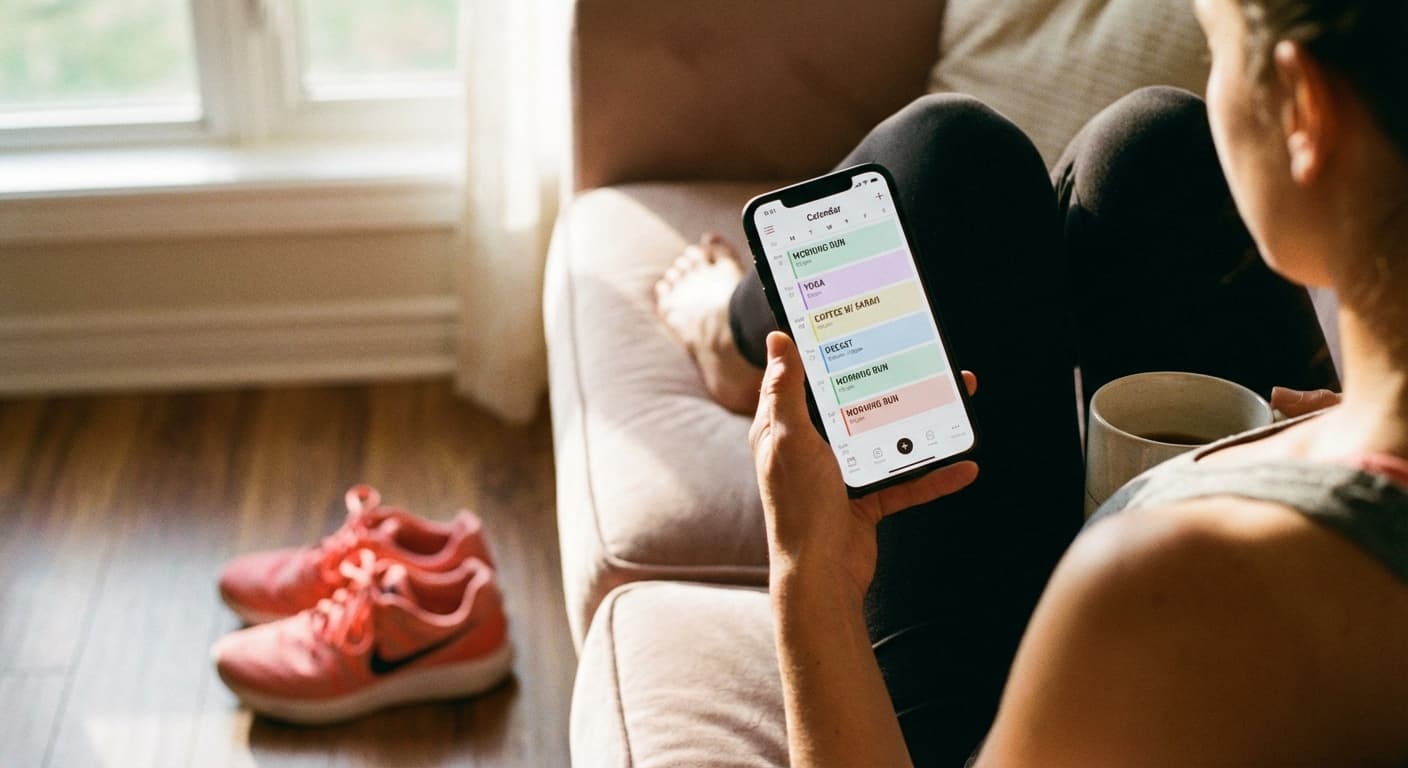
No complicated spreadsheets. Just a clear weekly schedule that combines running and walking for sustainable weight loss.
No hype, no shortcuts. Here's exactly how many miles per week actually leads to weight loss for women, and why running alone isn't the full picture.

Running can help you lose weight. But not the way most people think. Here's what actually works, backed by science and free of gimmicks.
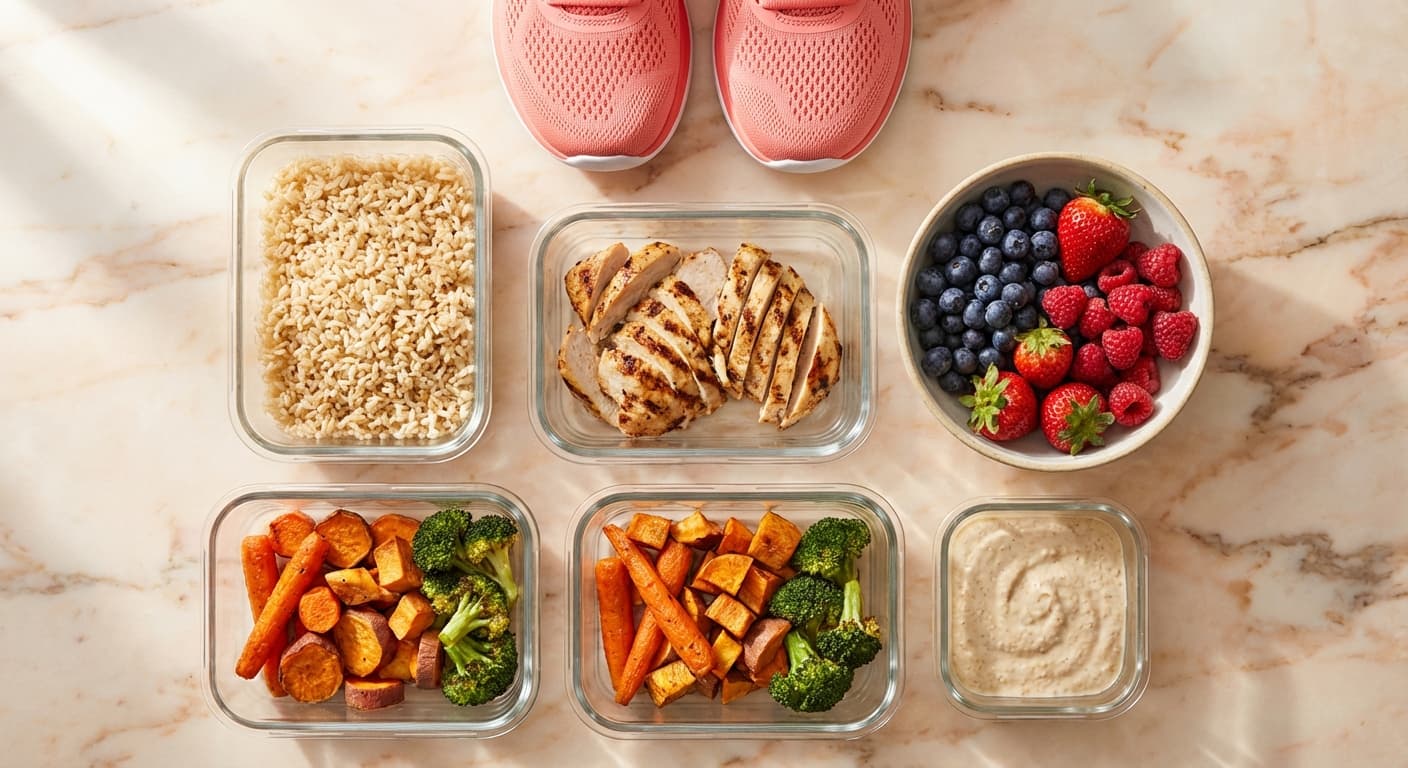
A complete weekly meal framework for runners. Not a diet. A fueling strategy that helps you run better, recover faster, and feel good.
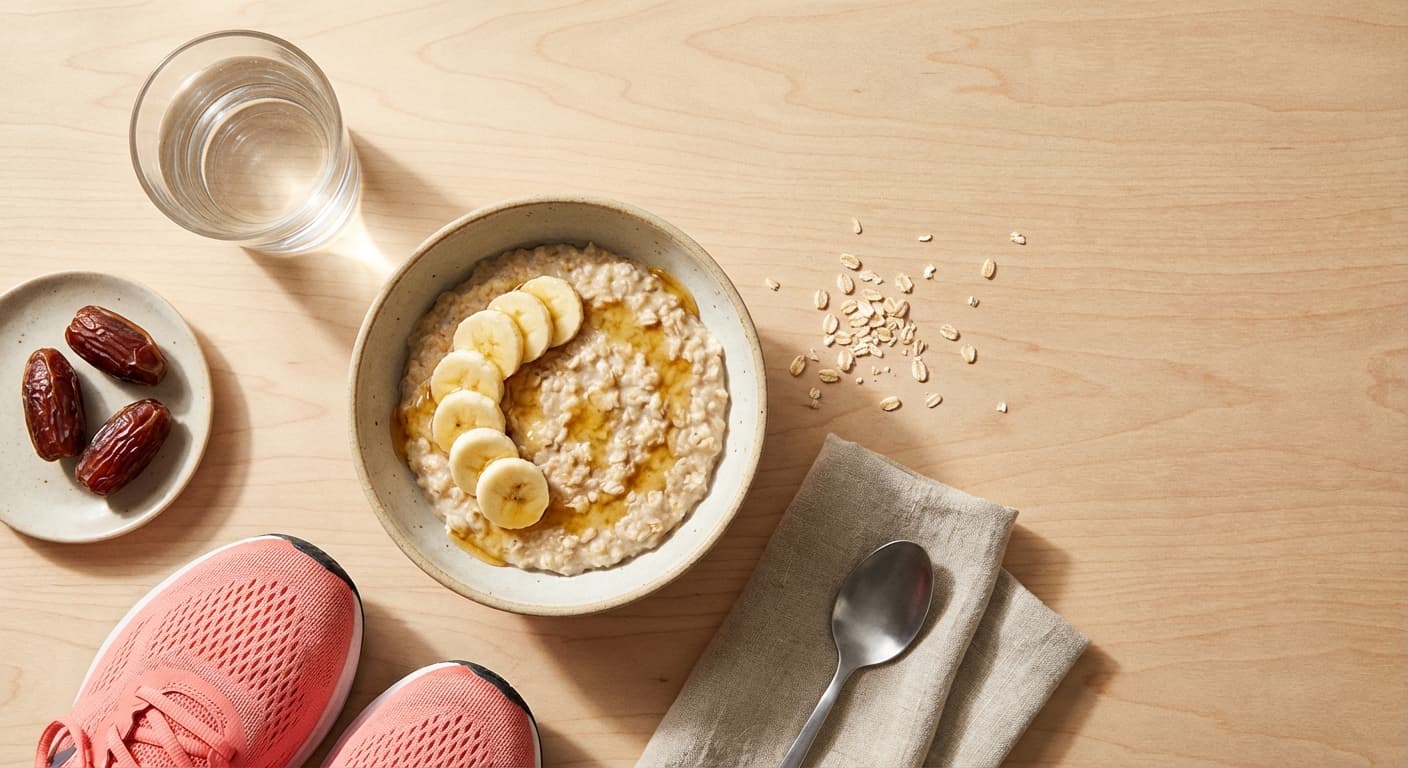
The right food before a run means more energy, no cramps, and better performance. Here's exactly what to eat and when.

Both are excellent exercise. One is faster. One is easier. Here's an honest comparison to help you decide.
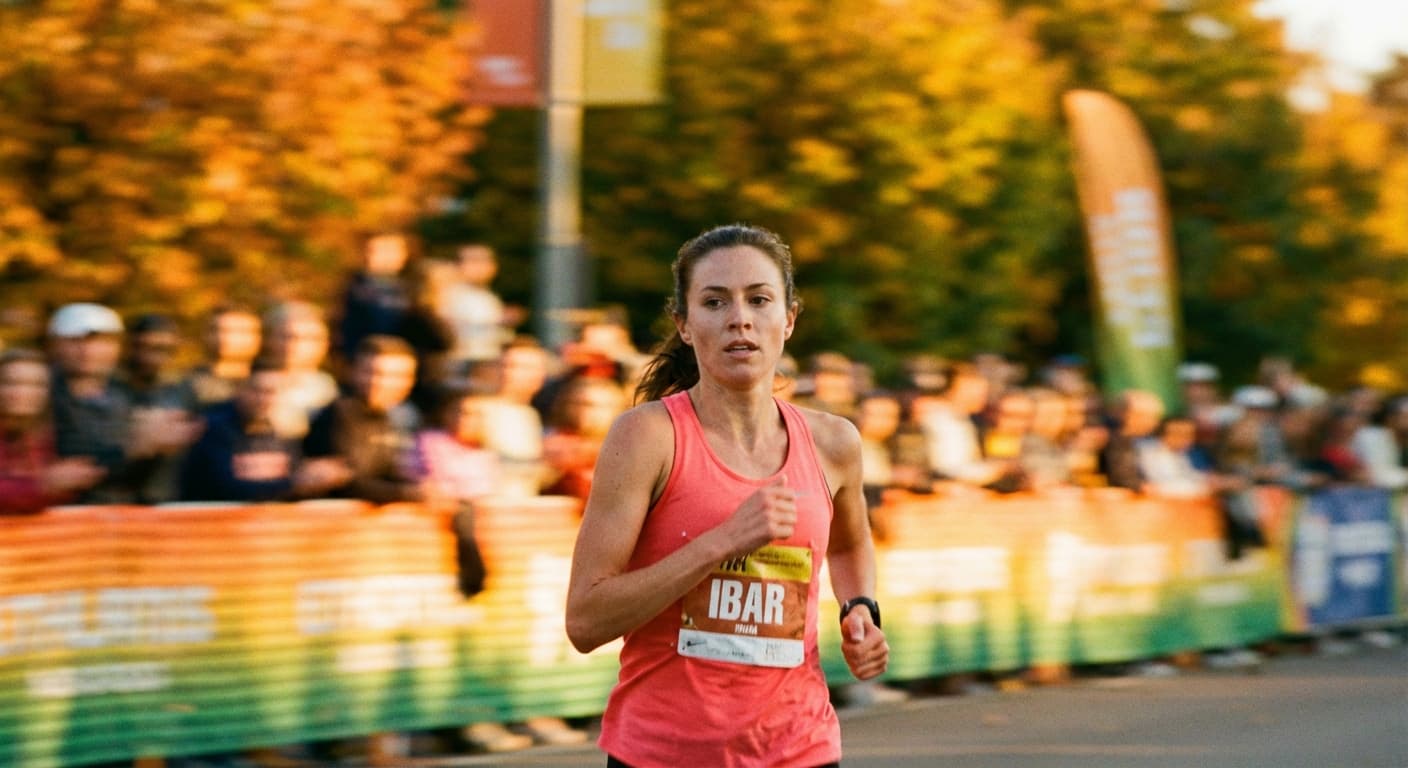
A 10K is 6.2 miles. Here's what that distance actually feels like, average finish times for women, and how long it takes to train.
A 5K is 3.1 miles. Here's what that distance feels like, how long it takes, and whether you're ready to run one.

14,000 steps is about 6.2 miles. That's a 10K distance. If you're doing this daily, you're in the top tier of movers.

12,000 steps is about 5.3 miles. If you're hitting this number regularly, you're doing more than most. Here's what the data says.

7,000 steps is about 3.1 miles. Turns out, this step count might be the real sweet spot for health. Here's what the research says.
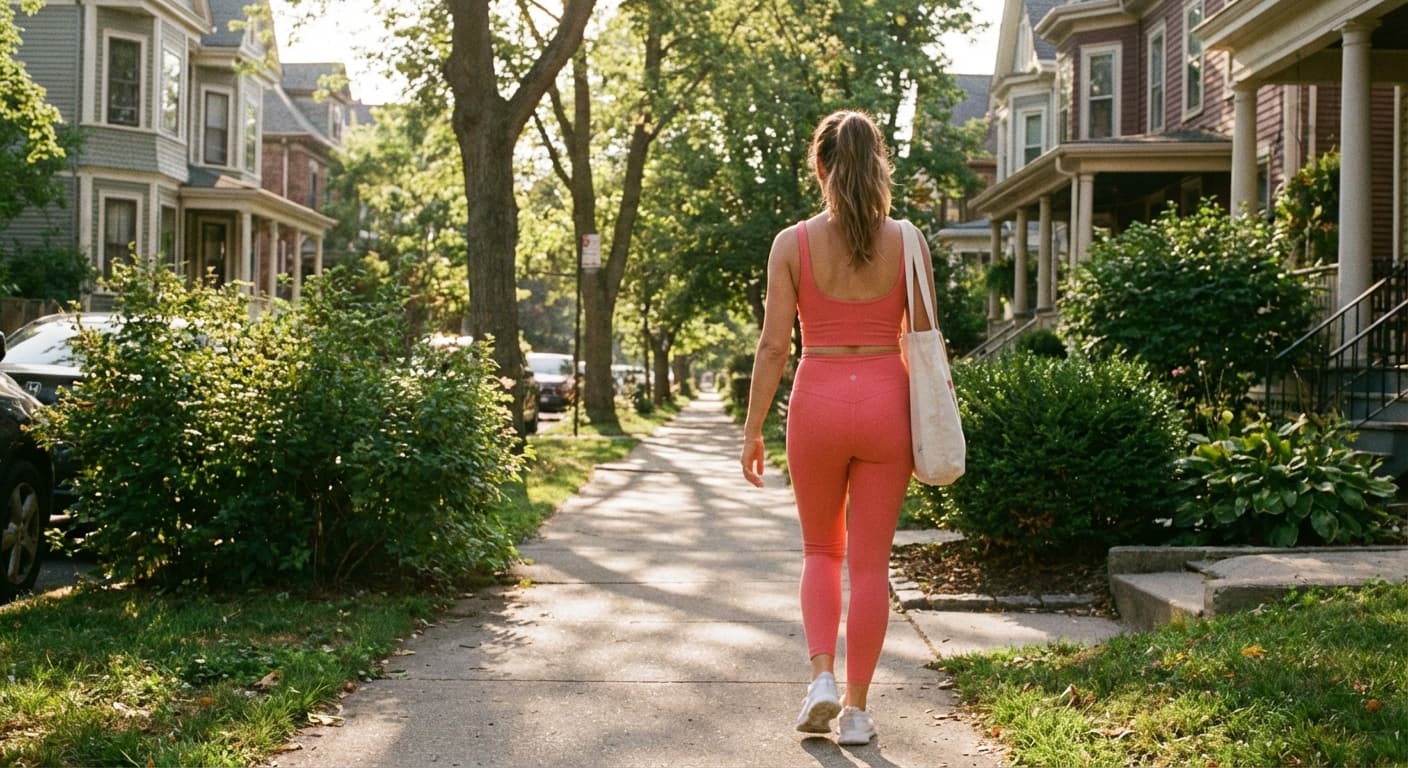
5,000 steps is about 2.2 miles. Here's what that means for your health, how long it takes, and how to build from there.

10,000 steps is about 4.4 miles for the average woman. Here's exactly what that means for your body, your time, and your goals.

Cold weather running is about layers, not courage. Here's a temperature-based guide to what to wear and when to stay inside.
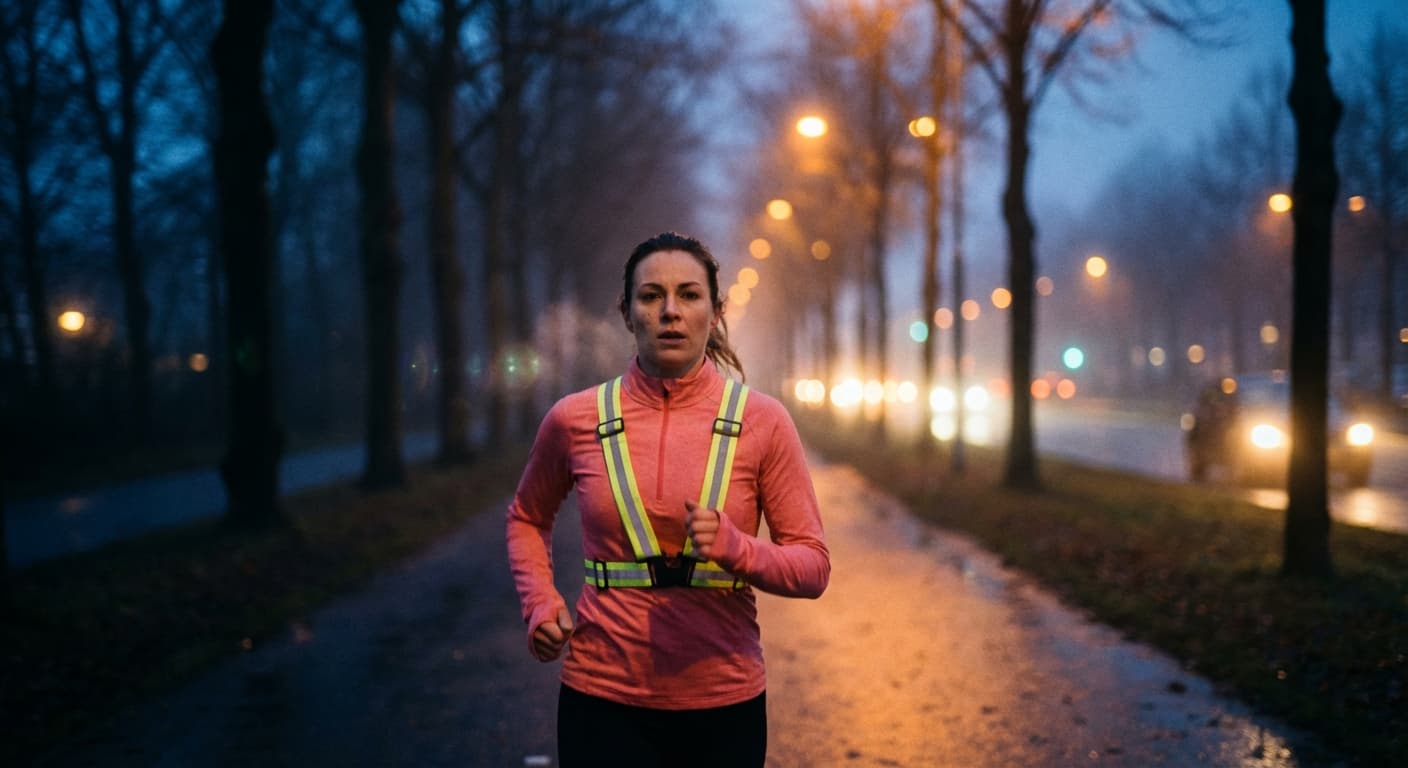
You shouldn't have to think about safety when you run. But until the world catches up, here's how to protect yourself.

You don't need $200 shoes to start running. Here are 5 beginner-friendly picks that prioritize comfort over speed.

Your first running shoes should be comfortable, cushioned, and forgiving. Not fast, not flashy. Here are the 7 best options.

Looking for a running coach? Here's how to find one locally, what to look for, and why an online coach might actually be the smarter choice.

Can't breathe when you run? You're probably running too fast. But here are the actual breathing techniques that make every run feel easier.
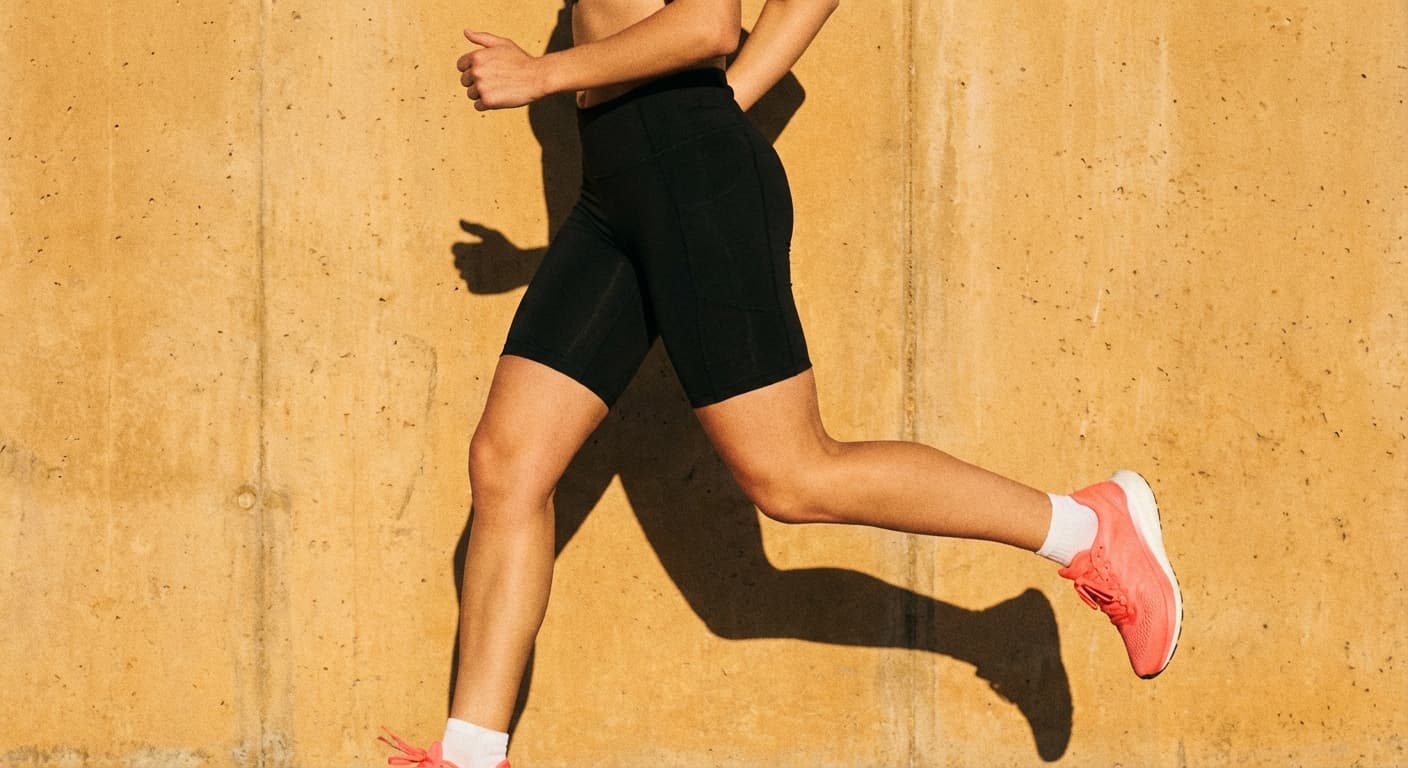
Good form means fewer injuries and easier miles. Here's what to fix, what to ignore, and why your body already knows more than you think.
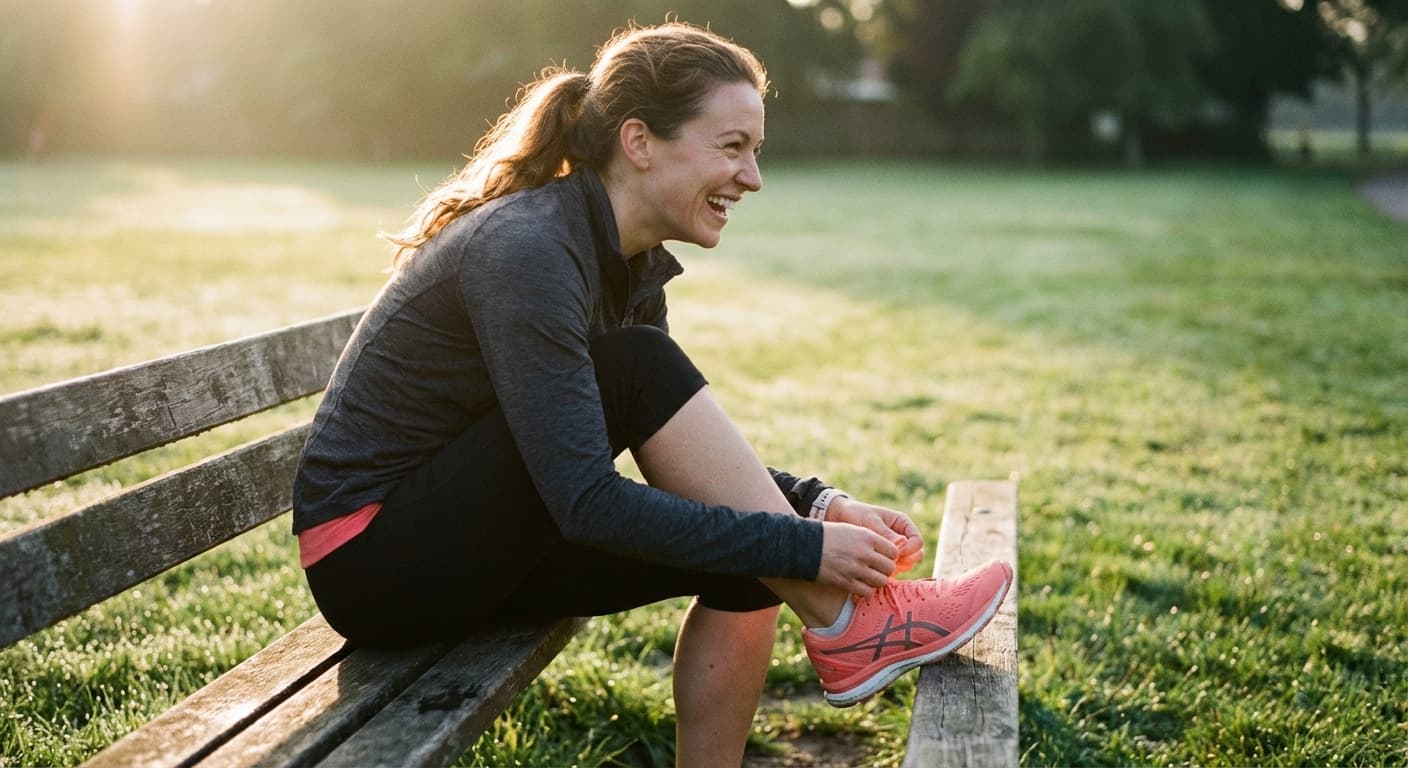
Starting running doesn't require talent, fitness, or gear. It requires knowing a few things nobody bothers to tell beginners. Here they are.