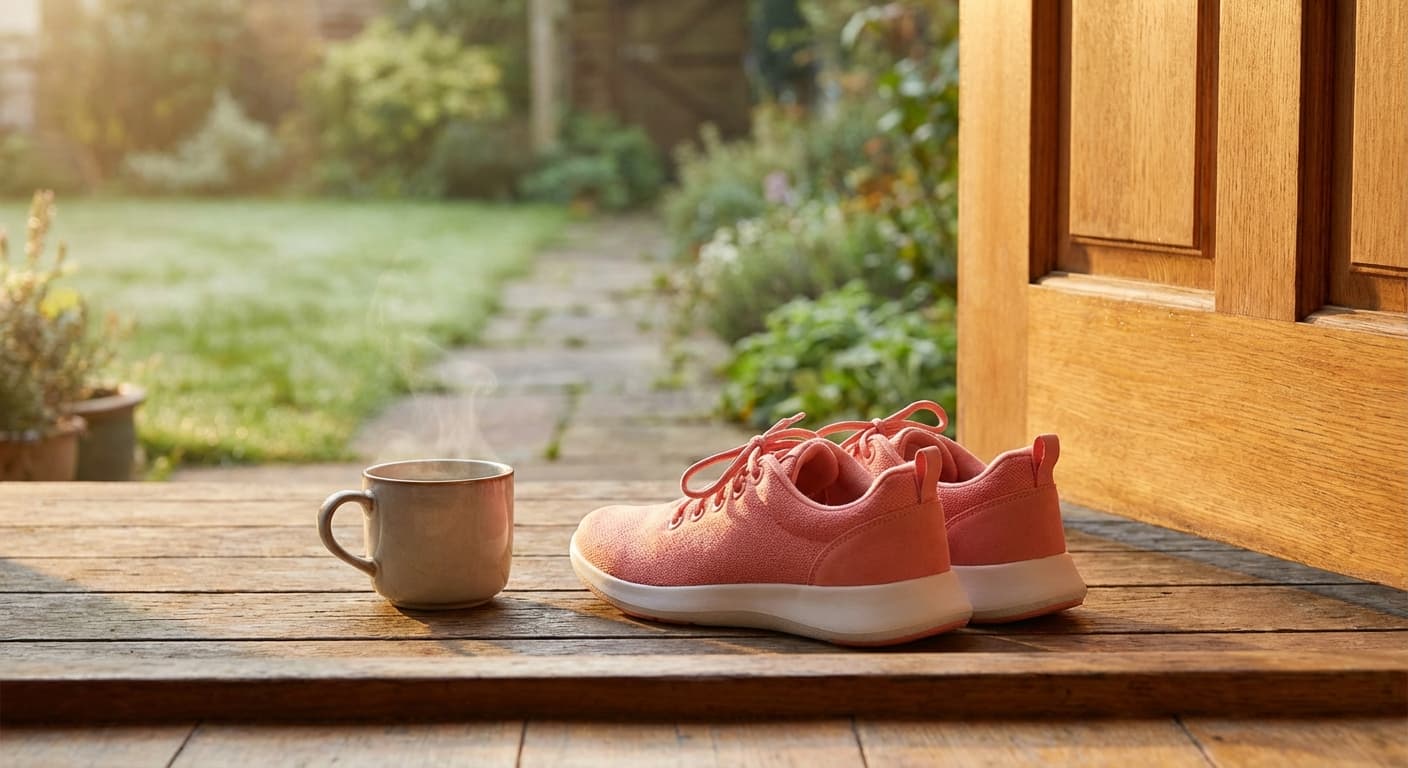
You're starting a Couch to 5K program. Exciting. But before you lace up those five-year-old sneakers from the back of your closet, let's talk about shoes.
You don't need to spend a fortune. You don't need the latest carbon fiber racing flat. But you do need shoes that are designed for running, reasonably cushioned, and the right fit for your feet. The difference between old gym shoes and actual running shoes is the difference between enjoying your runs and dreading them.
What to Look for in a C25K Shoe
When you're starting from the couch, your priorities are different from an experienced runner's. Here's what matters most:
Cushioning first. Your feet and joints aren't used to impact yet. Generous cushioning absorbs shock and makes every step more comfortable. This is not the time for minimalist shoes. Comfort over speed. Racing flats are light but firm. You want the opposite: plush, forgiving, and comfortable for walk/run intervals. If they feel good standing in the store, they'll feel good at mile two. True to size. Running shoes should have about a thumb's width of space between your longest toe and the end of the shoe. Your feet swell during exercise, so what feels perfect standing still will feel tight at minute 20. Don't overthink it. Gait analysis, pronation control, motion stability, drop height. You'll hear all these terms thrown around. As a beginner, most of it doesn't matter yet. Get a comfortable neutral shoe and upgrade later if you develop specific needs.5 Best Shoes for Couch to 5K
1. Brooks Ghost
The safe bet. The Ghost has been the best selling running shoe in America for years, and for good reason. It's cushioned without being mushy, supportive without being stiff, and works for almost every foot type. If you buy one shoe from this list without trying anything on, make it this one. Best for: Almost everyone. Wide and narrow width options available. Price range: $130 to $1402. ASICS Gel Nimbus
The cloud shoe. If maximum cushioning is what you want, the Nimbus delivers. The Gel technology in the heel absorbs impact better than almost anything else on the market. It's slightly heavier than some options, but when you're doing walk/run intervals, you won't notice. Best for: Women who want maximum comfort and have sensitive joints. Price range: $150 to $1603. New Balance Fresh Foam X 1080
The smart splurge. Incredibly soft, incredibly versatile. The Fresh Foam midsole feels like running on a mattress (in a good way). It's also one of the better looking running shoes if you care about aesthetics. Best for: Women who want a premium feel and plan to keep running beyond C25K. Price range: $150 to $1654. Nike Pegasus
The crowd favorite. The Pegasus has been around for 40+ years and keeps getting better. It's responsive, well cushioned, and available everywhere. Not the softest option, but a reliable all-rounder that transitions well from C25K to 10K training and beyond. Best for: Women who want a versatile shoe that grows with them. Price range: $130 to $1405. Hoka Clifton
The marshmallow. Hoka pioneered the maximalist cushioning trend, and the Clifton is their flagship. Thick sole, ultra-soft, and surprisingly light for its size. If you're carrying extra weight or have knee/hip concerns, the extra cushioning is genuinely helpful. Best for: Heavier runners or women with joint sensitivity. Price range: $140 to $150Quick Comparison
| Shoe | Cushioning | Weight | Width options | Price |
|---|---|---|---|---|
| Brooks Ghost | Medium-high | 9.1 oz | Regular, Wide | $140 |
| ASICS Gel Nimbus | High | 9.5 oz | Regular, Wide | $160 |
| NB Fresh Foam 1080 | High | 9.0 oz | Regular, Wide, Extra Wide | $165 |
| Nike Pegasus | Medium | 8.8 oz | Regular, Wide | $140 |
| Hoka Clifton | Very high | 8.9 oz | Regular, Wide | $150 |
Should You Go to a Running Store?
If there's a specialty running store near you, go. Not because you have to, but because it's genuinely helpful. The staff will watch you walk, suggest shoes based on your foot type, and let you jog around the store to test them.
Most running stores will let you return or exchange shoes within 30 to 60 days even if you've worn them outside. That return policy is almost always better than ordering online.
If there's no running store nearby, order from a retailer with free returns (Zappos, Amazon, or the brand's own website). Order two sizes if you're unsure and send back what doesn't fit.
When to Replace Your Shoes
Running shoes last about 300 to 500 miles. For a C25K runner doing about 6 to 10 miles per week, that's roughly 6 to 12 months of running.
Signs it's time for new shoes:
- The cushioning feels flat or dead
- You notice new aches in your knees, hips, or shins
- The tread is worn smooth
- The midsole has visible creases or compression
Don't wait until your shoes fall apart. By the time they look worn out, they've been under-supporting your feet for weeks.
Common Questions
Do I need expensive shoes to start running?
No. A $100 to $140 shoe from any major brand will serve you well. The most expensive shoes are designed for racing, not for learning to run. Save your money and spend it on a good sports bra instead.
Can I use my old sneakers for C25K?
If they're actual running shoes and less than a year old, maybe. If they're cross-trainers, fashion sneakers, or anything with worn out soles, invest in a proper pair. Your knees will thank you.
What about insoles?
Most beginners don't need custom insoles. The factory insoles in modern running shoes are good. If you have flat feet or specific foot pain, see a podiatrist before buying custom orthotics.
Trail shoes or road shoes?
If you're running on sidewalks, paths, or tracks, you want road shoes (everything on this list). Trail shoes are for dirt trails, gravel, and mud. Stick with road shoes for C25K.
Your shoes are the one piece of gear that actually matters. Everything else, the watch, the outfit, the water bottle, is optional. Get the shoes right and the rest takes care of itself.
Ready to start your Couch to 5K journey? Take the quiz and get a personalized plan that takes you from the couch to the finish line.